They Teased Us For It. Now They're Selling It Back to Us.
Vogue's Cloud Bob Is Just the Latest Chapter in a Very Long Story
SHARING WITH MEL
Melissa Rose Cooper
4/22/20263 min read


Last week Vogue published a hair article featuring a photo of Tracee Ellis Ross — a Black woman with a full, gorgeous, undeniable afro — and called it a cloud bob. Not an afro. A cloud bob. The internet responded accordingly. The section was removed. The hairstylist they credited distanced himself immediately. But the conversation it started is one that goes way deeper than one poorly edited article.
BTW, here is some of the gear I am currently using to capture my content.
DJI Osmo Action 5 Pro for smooth, dynamic shots
DJI Osmo 360 for immersive perspectives
DJI Mic 2 for crisp, clear audio
iPhone 17 Pro Max for quick, handheld shots
DJI Osmo Mobile 6 Smartphone Gimbal for stable walking sequences
And for deets on my outfits and other faves, you can check always check out my LTK and Amazon stores.
***Some of the links in this post are affiliate links, which means I may earn a small commission if you make a purchase through them. This comes at no extra cost to you.***
We Have Been Here Before
This is not new. This is a pattern that has been playing out for decades and Black people are tired of pretending otherwise. Big lips were something to be mocked and minimized — until they became a multi billion dollar filler industry. Fuller figures were ridiculed and erased from mainstream beauty standards — until certain celebrities made them aspirational and profitable. Cornrows were considered unprofessional and hood — until they showed up on a runway and got called boxer braids. Hoop earrings and slick buns were street — until they became the clean aesthetic. And now the afro — one of the most culturally significant hairstyles in Black history — is apparently a cloud bob.
The through line is always the same. Mock it first. Ignore it. Push it to the margins. And then once it becomes undeniable — rebrand it, rename it, and sell it back to the mainstream like it was just discovered.
This One Is Personal
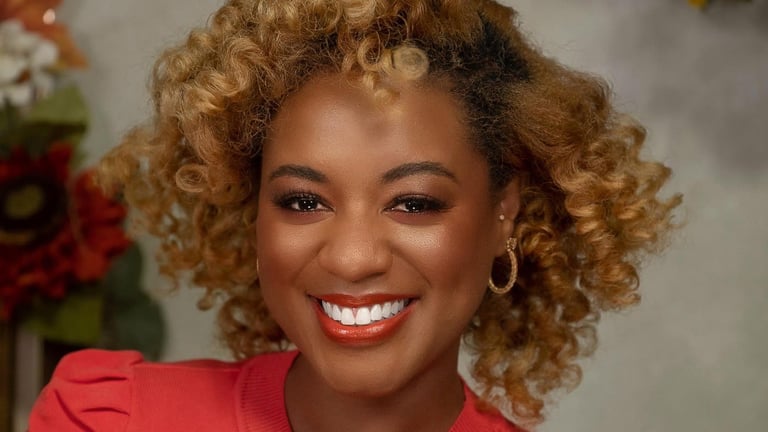
I spent years as a TV news reporter relaxing and straightening my hair because natural hair was not considered professional on camera. Nobody said it out loud. Nobody had to. You just knew. And so you conformed. You showed up every day as a version of yourself that had been altered to fit someone else's standard of acceptable.
When I finally decided I was done — done with the chemicals, done with the heat, done performing a version of myself that was never really me — the response was not celebration. People asked me what I was going to do with my hair. As if my natural hair in its natural state was a problem that needed solving. And my boyfriend at the time told me I just needed to stop and put a perm back in.
That is the world Black women with natural hair have been navigating. Not just strangers. People close to them. People who loved them. Still telling them their hair as it grows out of their head is not enough.
So When Vogue Does This
It is not a small thing. It is not an oversight. It is the latest example of a publication with enormous cultural influence taking something rooted in Black identity — something Black people were told was too much, too wild, too unprofessional — and repackaging it for an audience that never had to fight to wear it. Stripping it of its name. Stripping it of its history. And presenting it as something fresh and new and on trend.
The afro is not a trend. It is not a silhouette. It is not a cloud anything. It is an afro. It has a name. It has a history. And it belongs to the people who wore it before it was ever considered beautiful by anyone outside of their own community.
We were teased for it first. Do not forget that.
Watch this week's full Baddie with News recap on Sharing with Mel above — I also get into the Shreveport shooting that stopped me in my tracks on Sunday morning and the $150 World Cup train fare that is pricing regular people out of the biggest sporting event of the year.
